22 Oct 2026
Shifting Ecological Patterns and Their Effects on Heritage Site Maintenance
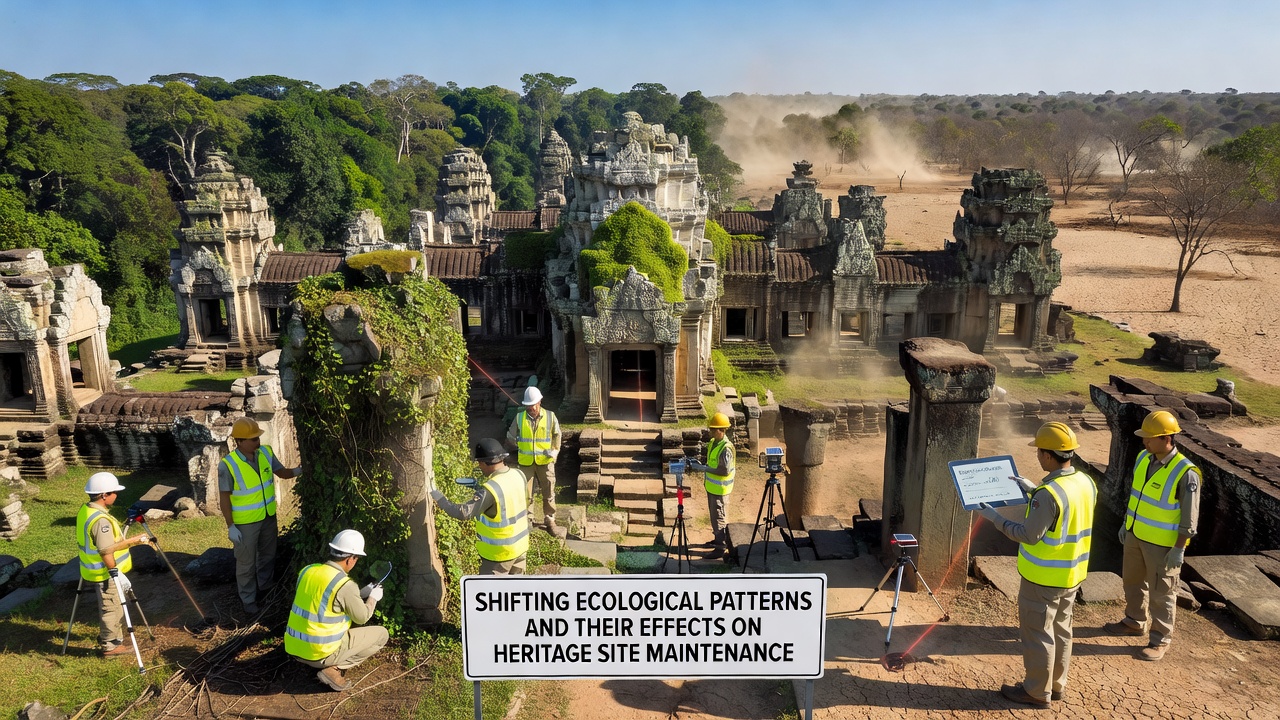
Shifting ecological patterns have altered temperature ranges, precipitation levels, and vegetation distributions across many regions, which in turn affects the structural integrity and upkeep requirements of heritage sites worldwide. Data from long-term monitoring programs show that increased frequency of extreme weather events accelerates material degradation in stone, wood, and earthen constructions while changing soil moisture levels undermine foundations at numerous locations. Observers note that these changes demand revised maintenance schedules and new preservation techniques rather than traditional approaches alone.
Key Ecological Shifts Documented in Recent Decades
Research indicates rising average temperatures have extended growing seasons in temperate zones, allowing invasive plant species to take hold on historic walls and rooftops where they previously could not survive. In coastal areas, sea level measurements compiled by international agencies reveal gradual inundation that brings saltwater into contact with porous building materials, leading to salt crystallization and accelerated decay. Meanwhile, altered rainfall patterns produce both prolonged droughts that dry out protective soils and intense downpours that cause flash flooding around archaeological remains.
Figures from monitoring stations in North America and Europe demonstrate that permafrost thaw in higher latitudes exposes previously stable sites to subsidence and erosion. These patterns connect directly to maintenance challenges because crews must now address biological growth, chemical weathering, and physical displacement on accelerated timelines compared with conditions observed in the mid-twentieth century.
Impacts on Specific Heritage Categories
Stone monuments experience heightened rates of surface recession when acid rain combines with higher humidity levels, while wooden structures suffer from increased fungal activity during extended wet periods. Earthen architecture in arid regions faces cracking from intensified drought cycles followed by sudden moisture influx. Underwater and intertidal heritage locations encounter sediment shifts and biological colonization that obscure features and complicate access for conservators.
One documented case involves sites along the Mediterranean where researchers recorded measurable increases in biological crusts on marble surfaces between 2000 and 2025, requiring more frequent cleaning interventions. Similar patterns appear at desert locations where flash floods have exposed previously buried foundations, necessitating emergency stabilization work. Maintenance teams report that access routes themselves often require reinforcement because surrounding landscapes change with shifting vegetation and soil stability.
Maintenance Adaptations and Resource Allocation
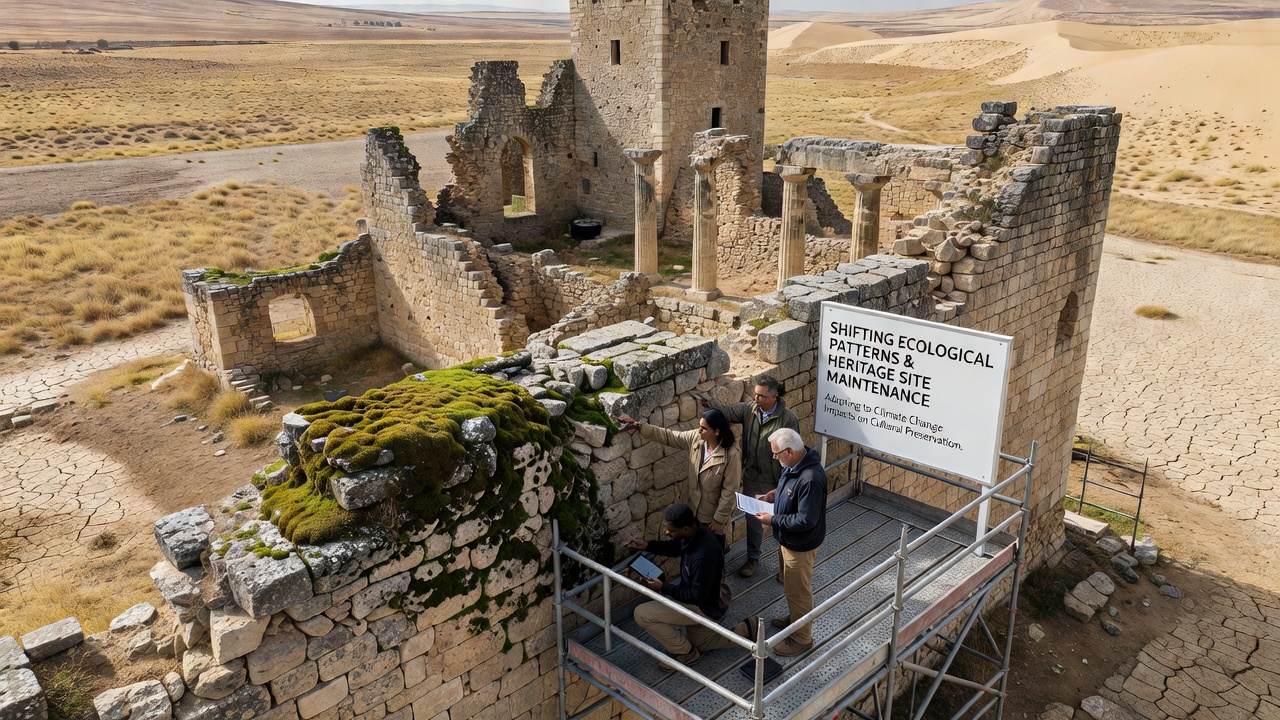
Heritage organizations have responded by integrating climate projection data into site management plans, which allows predictive scheduling of interventions before visible damage occurs. Training programs now emphasize monitoring protocols for early detection of ecological stressors, including regular photography, moisture sensor deployment, and vegetation mapping. Budget analyses from several national agencies show rising expenditures on drainage improvements, protective coatings, and biological control measures that were not standard practice two decades ago.
International coordination has increased through shared databases that track condition changes across borders, enabling comparative studies of effective responses. In October 2026, updates from multiple monitoring networks highlighted the need for continued investment in materials science research to develop treatments suited to new environmental conditions. These efforts focus on compatibility with original construction methods while addressing contemporary stressors.
Regional Variations in Response Strategies
Agencies in different continents apply tailored approaches based on local ecological data. Australian heritage authorities have emphasized flood barrier design around rock art sites in areas experiencing more variable monsoon patterns, whereas Canadian programs prioritize stabilization of northern sites affected by permafrost degradation. European projects often center on vegetation management around medieval structures where milder winters allow year-round plant growth.
These regional strategies share common elements such as documentation standards and risk assessment frameworks, yet they adapt to distinct ecological drivers. Data compiled across these programs indicate that proactive measures reduce long-term costs compared with reactive repairs after major events.
Conclusion
Shifting ecological patterns continue to reshape the requirements for heritage site maintenance through direct physical effects and indirect biological influences. Monitoring data and case examples illustrate how temperature, precipitation, and vegetation changes interact with historic materials, prompting updates to conservation practices. Ongoing research and cross-regional information exchange support development of effective responses that preserve sites for future study while accounting for current environmental realities.