7 Mar 2026
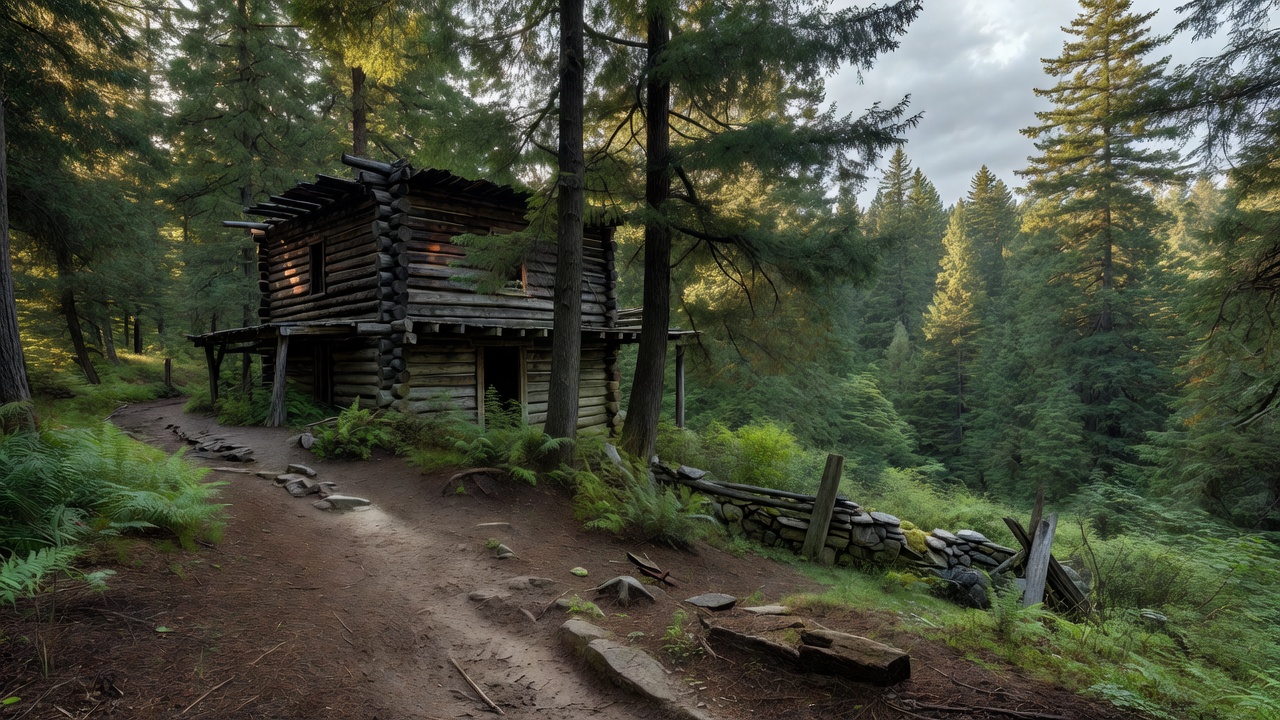
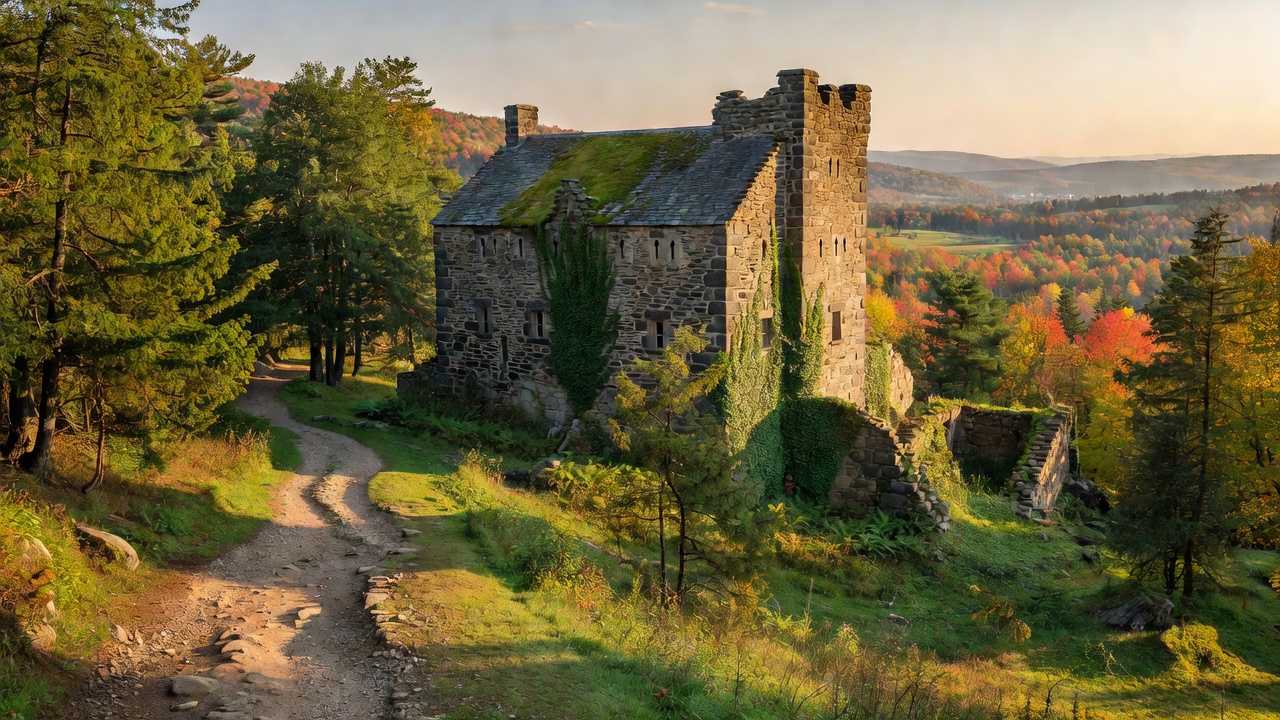
Hemlockfort occupies a distinctive position within its surrounding region, shaped by both natural features and longstanding human activity. Located amid dense evergreen forests and rolling terrain, the site reflects centuries of adaptation to the local environment. Its placement offers insight into how communities have utilized available resources while navigating challenging topography.
Geographical Setting
The area around Hemlockfort features a mix of coniferous woodlands, streams, and moderate elevations that influence seasonal conditions. Hemlock trees dominate much of the canopy, providing shade and contributing to soil stability. Nearby waterways have historically supported travel and small-scale agriculture. These elements combine to create a self-contained ecosystem where human settlement has remained modest in scale.
Climate patterns in the region include cool summers and significant snowfall in winter months. This affects accessibility and has encouraged construction techniques suited to heavy precipitation and freeze-thaw cycles. Soil composition varies from rocky outcrops to deeper loams, limiting large-scale development while favoring selective forestry and localized farming.
Historical Background
Records indicate early structures at Hemlockfort date to periods when defensive positions held strategic value along trade routes. Materials used in early buildings drew directly from surrounding timber stands, resulting in durable yet simple architecture. Over time, the site transitioned from a primarily defensive role to one centered on resource management and community gathering.
Archaeological evidence points to repeated occupation rather than continuous large populations. Artifacts recovered include tools for woodworking and basic metalwork, consistent with a resource-based economy. Land use patterns show gradual shifts toward sustainable harvesting practices that preserved the forest cover while meeting local needs.
Contemporary Relevance
Today Hemlockfort serves as a reference point for understanding balanced land stewardship. Conservation efforts focus on maintaining forest health and protecting water sources that originate nearby. Educational visits highlight traditional building methods and the relationship between settlement patterns and ecology.
Local planning documents reference the site when discussing regional preservation priorities. Its continued presence demonstrates how historical locations can inform current approaches to environmental management without requiring extensive infrastructure changes. This context underscores the value of integrating natural and cultural elements in long-term regional strategies.