27 Aug 2026
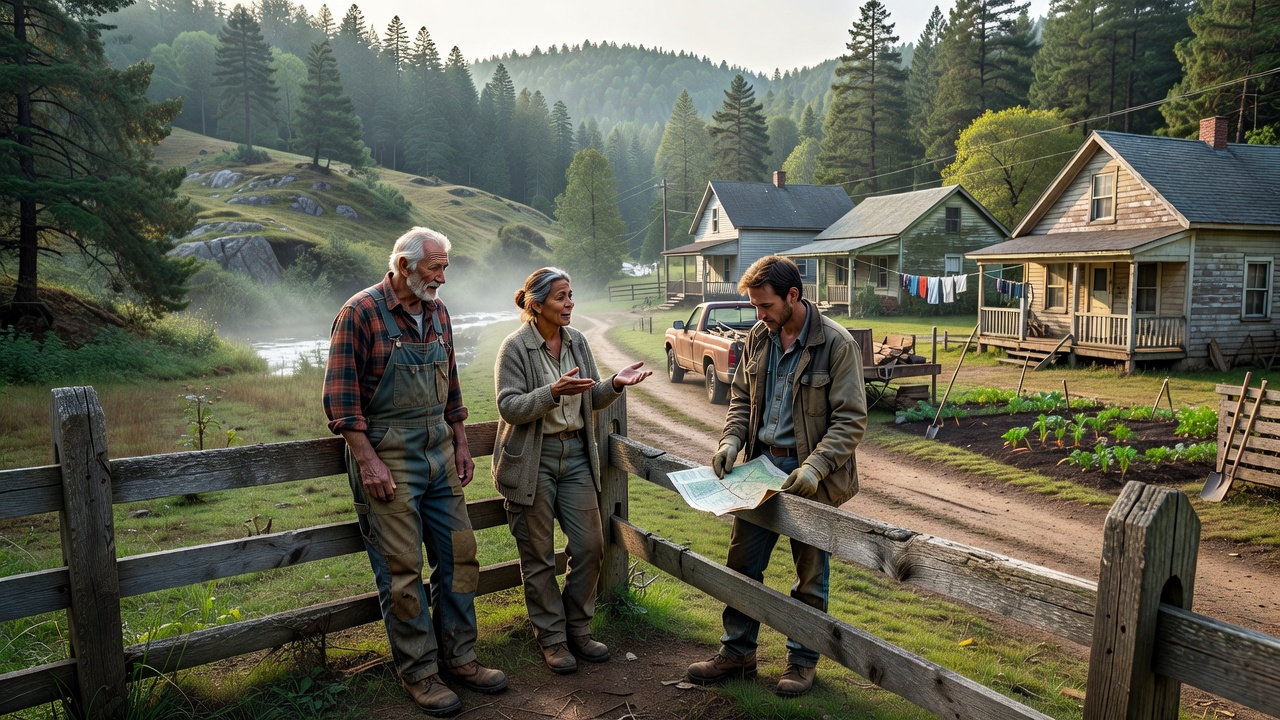
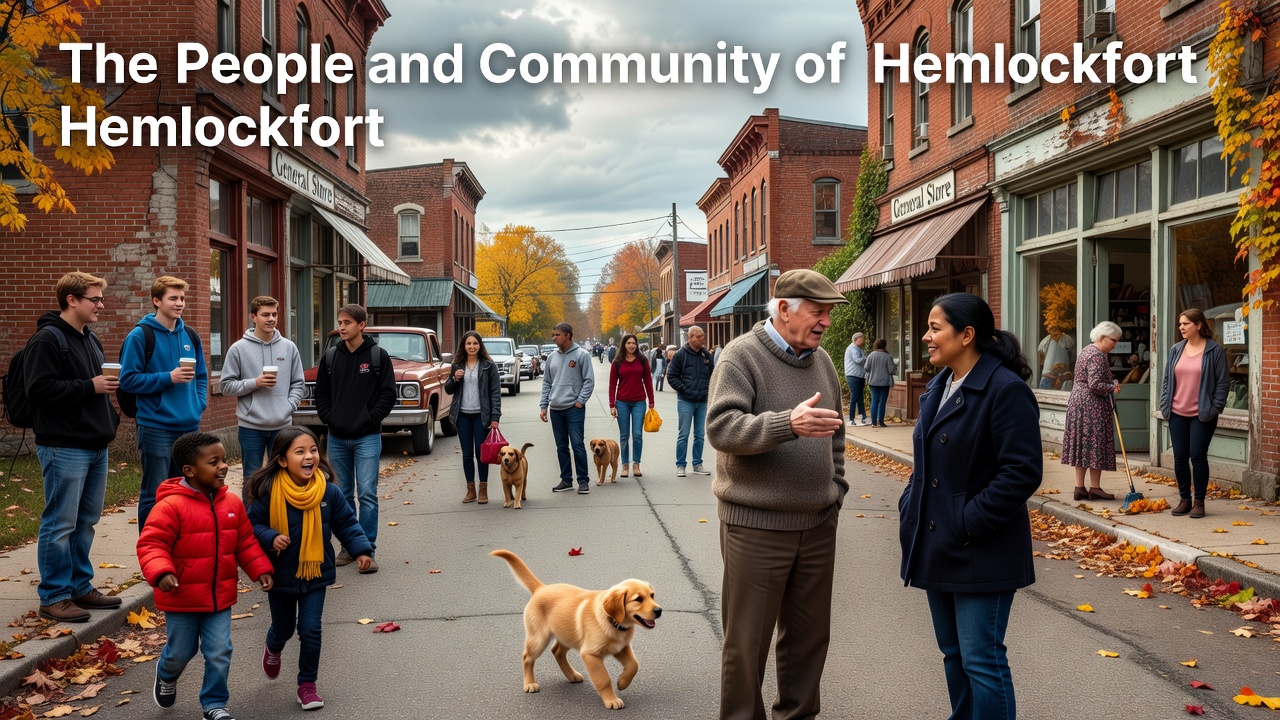
Hemlockfort is defined by the individuals who live there. Residents share a strong connection to the area through shared routines, local knowledge, and long-term ties to the land. This article examines their background, daily patterns, and collective values.
Historical Roots of Hemlockfort Residents
Many families trace their presence in Hemlockfort back several generations. Early settlers established basic infrastructure that still shapes the layout of streets and gathering places. Over time, new arrivals integrated by learning local customs and contributing practical skills such as woodworking, farming, and small-scale trade. Oral histories passed down within households preserve details about past challenges and adaptations, giving current residents a clear sense of continuity without romanticizing earlier eras.
Records show that the population has remained relatively stable, with modest growth tied to nearby employment opportunities rather than rapid development. This stability supports tight social networks where neighbors often assist one another with seasonal tasks or home repairs.
Daily Life and Occupations
Most residents balance work in nearby towns with activities inside Hemlockfort itself. Common occupations include agriculture, maintenance services, and independent crafts. Mornings typically begin early, followed by community errands at local markets or shared facilities. Evenings often involve informal gatherings at public spaces or private homes where conversations cover weather, local projects, and family matters.
Transportation relies on personal vehicles and walking paths, reflecting the compact size of the settlement. Children attend regional schools while participating in after-school programs that emphasize practical skills alongside standard academics. Leisure time frequently centers on outdoor pursuits suited to the surrounding terrain, such as hiking or seasonal foraging.
Shared Values and Ongoing Traditions
Community decisions emphasize practicality and mutual support. Annual events mark planting and harvest cycles, along with simple commemorations of local milestones. These gatherings remain modest in scale and focus on participation rather than spectacle. Newcomers are welcomed through straightforward introductions and invitations to join existing volunteer efforts, such as trail upkeep or emergency preparedness groups.
Residents place importance on resourcefulness and environmental awareness, shaped by the need to maintain the area for future use. Discussions about growth or change usually prioritize preserving access to open spaces and keeping infrastructure functional for all age groups. This approach results in a steady, self-reliant population that values consistency over rapid transformation.